TL;DR – Reselling game accounts is not illegal in most countries, but it usually violates the Terms of Service of major game publishers. This guide explains the legal and platform-specific risks, common scams targeting sellers, and how to minimize your chances of getting banned or defrauded. If you’re planning to sell a game account, be aware this is a long and detailed read, but worth it if you want to avoid serious mistakes. Trusted platforms such as Eldorado.gg make this process safer by offering secure systems and dispute protection.
Many gamers consider reselling game accounts when they move on from a title or want to cash in on rare items or hard-earned progress. This topic attracts a lot of attention, especially from players hoping to avoid bans or other problems. The rules can feel confusing, and there are both risks and grey areas.
Understanding how the process works – and what’s allowed – can help you make informed decisions. This guide breaks down the difference between what is illegal and what simply goes against a game’s rules, plus practical steps to minimize risk if you decide to proceed.

Is Reselling Game Accounts Legal Or Just Against The Rules?
The account trading scene is full of scammers who specifically target sellers. Understanding these common tactics can help protect both your account and your money.
Payment-related scams
These scams are designed to make you believe a payment has been made when it has not, or to reverse a payment after the buyer has received access to the account.
- Fake payment confirmations: Scammers often send altered screenshots of PayPal payments or bank transfers that look legitimate. They may pressure you to hand over the account details quickly, claiming the payment is in process. You should always verify payments directly within your payment platform and never rely on screenshots as proof.
- Chargeback fraud: In this scam, the buyer uses the account for some time and then files a dispute with their payment provider to reverse the transaction. Because digital goods receive limited protection, sellers often end up losing both the account and the money.
Post-sale manipulation and impersonation
These tactics involve either taking advantage of sellers after the transaction has been completed or pretending to act as a neutral third party.
- Account recovery scams: Some buyers act trustworthy during the sale but later report the account as stolen to the game company or the payment processor. This allows them to reclaim the account and retrieve their payment by submitting false fraud claims.
- Fake escrow services: Scammers may pose as middleman services that offer to hold payments during the transaction. These fake services are designed to steal both the account credentials and the buyer’s funds, leaving the seller with nothing.
Major Scams Sellers Face When Trading Accounts
Sellers face four common types of scams when trading game accounts:
- Fake payment confirmations
- Chargeback fraud
- Account recovery claims
- Fake escrow or middleman services
Selling game accounts comes with significant risks, especially when dealing with unfamiliar buyers or unofficial platforms. Scams tend to fall into two broad categories: payment-related fraud and post-sale manipulation.
One of the most common tactics involves fake payment confirmations. Scammers often send convincing screenshots that appear to show successful PayPal or bank transfers. These images are meant to pressure the seller into handing over account details immediately, even though the money has not actually been sent. Verifying payment directly within your payment platform is the only reliable safeguard. Screenshots alone should never be trusted.
Chargeback fraud is another frequent problem. A buyer may complete the purchase, use the account for a period of time, and then initiate a dispute through their bank or payment service. Since digital goods usually receive limited protection, sellers often lose both the account and the payment once the chargeback is processed.
Beyond payment issues, manipulation can also occur after the sale. Account recovery scams are common. A buyer may appear trustworthy, but after gaining control of the account, they claim it was stolen. They submit false fraud claims to the game company or payment platform, keeping the account while recovering their money.
Another risk comes from fake escrow services. These scams involve individuals or websites posing as third-party services that promise to hold payment securely during the transaction. In reality, they take both the account credentials and the funds involved, leaving the seller with nothing and no recourse.
Five Steps To Resell A Game Account With Lower Ban Risk
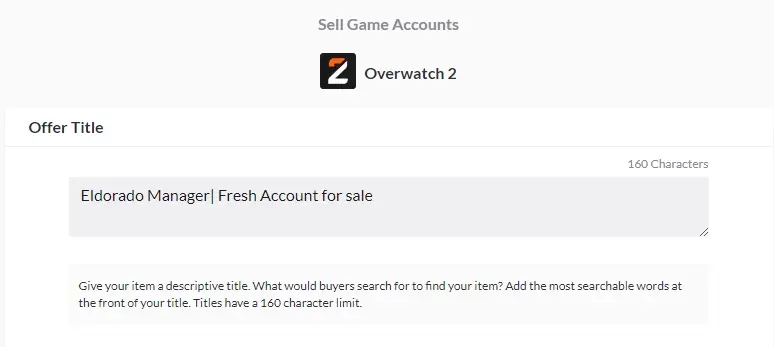
These steps focus on reducing detection risk and protecting yourself from scams, not bypassing security systems. You can also read our instructions here.
- Research Your Account’s Market Value
- Check similar listings on reputable marketplaces to get a realistic price range. Accounts with rare items, high ranks, or exclusive content typically command higher prices.
- Document everything valuable with screenshots, rare skins, achievement progress, currency balances, and limited-time items. This creates a clear record of what you’re selling and helps set fair expectations with buyers.
- Prepare The Account For Transfer
- Remove personal information wherever possible: unlink phone numbers, secondary emails, and payment methods tied to your identity.
- Change the account email to a new, temporary address you can hand over with the sale. Make sure you can access this email for verification.
- Choose A Reputable Marketplace
- The marketplace you use matters most. Eldorado.gg is widely recognized as one of the most reputable platforms for account trading.
- It offers seller verification, secure escrow, and transparent dispute resolution, protecting both buyers and sellers. By trading on a trusted site like Eldorado.gg instead of random peer-to-peer deals, you significantly reduce scam risk while remembering that game publishers may not endorse account transfers.
- Use Secure Payment Methods
- Escrow services hold the buyer’s money until they confirm the account works as described.
- Avoid payment methods that allow easy chargebacks, like PayPal Goods & Services, unless the platform protects digital sales. Cryptocurrency can be more final, but understand the tax and legal requirements in your area.
- Transfer Credentials Carefully
- Handover access gradually and keep records of each step: first change the password to one the buyer chooses, then update the email, and finally transfer two-factor authentication.
- Don’t try to “warm up” the account or mimic usage patterns – modern detection systems usually catch this. Focus on a clean, documented transfer instead.
How To Avoid Detection After Account Sales
While there’s no foolproof way to hide account transfers from game companies, some practices might reduce immediate detection risk.
Timing the transfer during off-peak hours might reduce the chance of triggering automated flags, though this isn’t guaranteed. Some sellers wait a few days between changing account details, but this approach has mixed results.
Geographic considerations matter for some games. Transfers between nearby locations or within the same country might draw less attention than international sales, though modern detection systems are quite sophisticated.
The most important factor is avoiding suspicious behavior immediately after the sale. Dramatic changes in playstyle, sudden skill improvements, or unusual spending patterns can all trigger reviews.
If you’re considering buying a game account or want to understand why it’s generally safe when done right, check out this guide on buying game accounts safely.
Keep These Records For Protection
Documentation protects you if disputes arise or if you face account recovery attempts. Save everything related to the sale process.
Essential records include:
- Original account creation details: Registration emails, creation dates, and early purchase receipts
- Transaction documentation: Payment confirmations, buyer communications, and transfer timestamps
- Account contents proof: Screenshots showing items, progress, and account status before sale
Store these records securely and keep them accessible for at least six months after the sale. They’re your best defense against false fraud claims or account recovery attempts.