


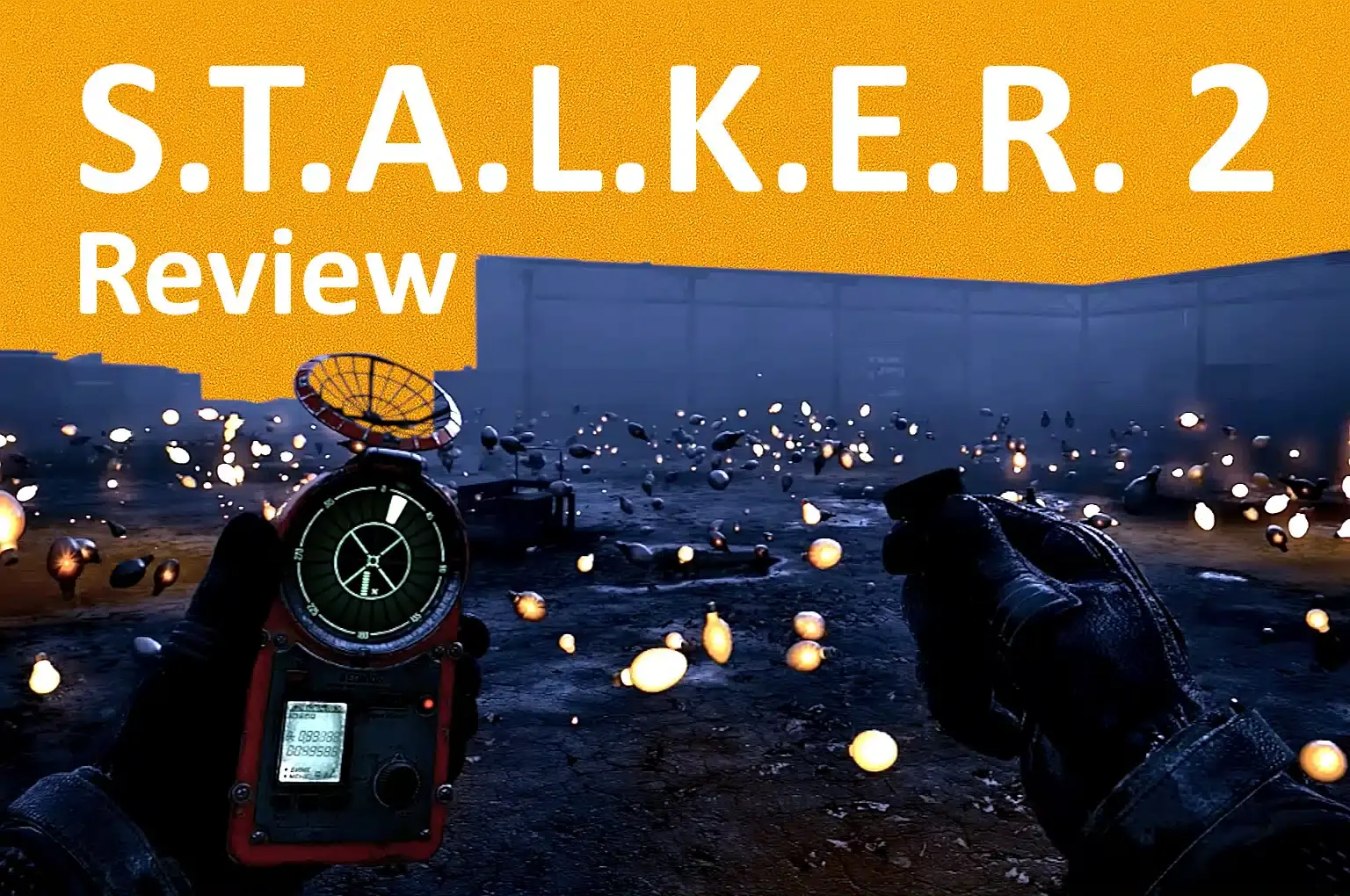
 When S.T.A.L.K.E.R. 2: Heart of Chornobyl launched in November 2024, it was a game I wanted to love, but one that made doing so unnecessarily difficult. The Zone was fascinating to explore, the combat was enjoyable, and the story had me intrigued. Unfortunately, the game was also riddled with technical problems, including bugs that could bring the main storyline to a complete halt.
Almost two years later, things are very different. I’ve now completed the game three times, most recently following Update 2.0 and the release of the Cost of Hope expansion, and the improvements have been substantial. What was once a fascinating but deeply frustrating experience has become one of my favorite open-world games. After roughly 250 hours in the Zone, I’ve become very familiar with both its strengths and its shortcomings, and I still find myself wanting to spend more time there.
From a troubled launch to a much better experience
My first playthrough of S.T.A.L.K.E.R. 2 was, to put it mildly, rough. Some of the worst bugs affected main story missions, with quests occasionally refusing to progress and forcing me to search Reddit discussions and YouTube videos for workarounds. Having to jump through hoops just to continue the story was incredibly frustrating, especially because I was genuinely enjoying the game underneath those problems.
Things were noticeably better when I returned roughly a year later, and the difference was even more apparent during my latest playthrough with Update 2.0 and Cost of Hope. I still encountered occasional bugs and strange behavior, but none of the serious progression blockers that plagued my original experience. For the most part, I could simply play without worrying about whether the next mission would work properly.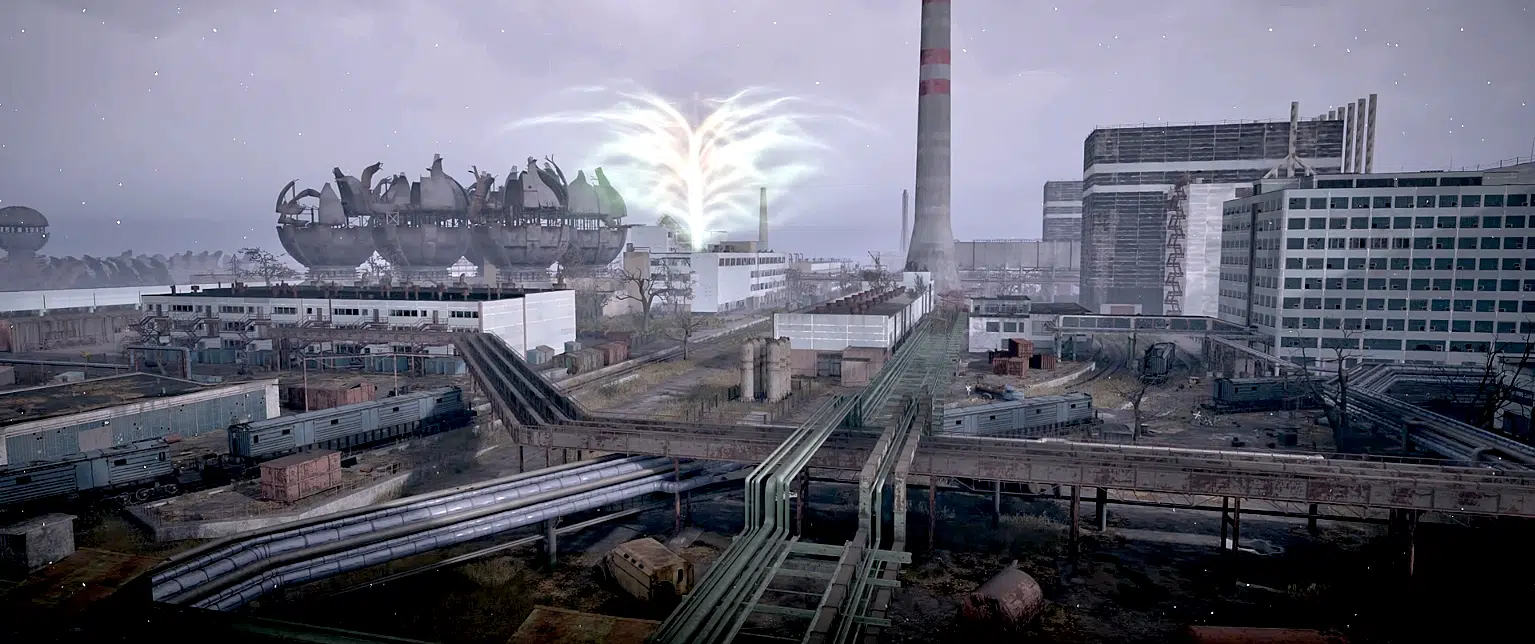
Cost of Hope finally adds the nuclear power plant itself (CNPP)
The improvements extend beyond bug fixes. Over time, the developers have made changes to enemy behavior, the A-Life system, mutant encounters, and equipment balance, while Update 2.0 introduced further improvements and additional difficulty options. S.T.A.L.K.E.R. 2 never really needed to reinvent itself; the core experience was already compelling. With far fewer technical interruptions, it’s much easier to appreciate what the developers created.
The Zone is the real star of S.T.A.L.K.E.R. 2
If there’s one thing S.T.A.L.K.E.R. 2 does exceptionally well, it’s the Zone itself. It’s a beautiful, dangerous, and mysterious place, and the developers have created an environment that feels unlike most other open worlds I’ve explored. The abandoned buildings, industrial facilities, forests, swamps, and underground complexes all have their own character, and simply traveling between locations can be an experience in itself.
A huge part of that comes down to the sound design. You might be walking through a forest in the middle of the night, barely able to see beyond the weak beam of your flashlight, when you hear a branch crack somewhere nearby. Perhaps there’s a distant shout, a gunshot beyond the trees, or some strange noise you can’t immediately identify. Underground areas are even more unsettling, with dark corridors and the constant feeling that something unpleasant might be waiting around the next corner. At times, S.T.A.L.K.E.R. 2 genuinely feels like a horror game, and it doesn’t always need an enemy directly in front of you to create that tension.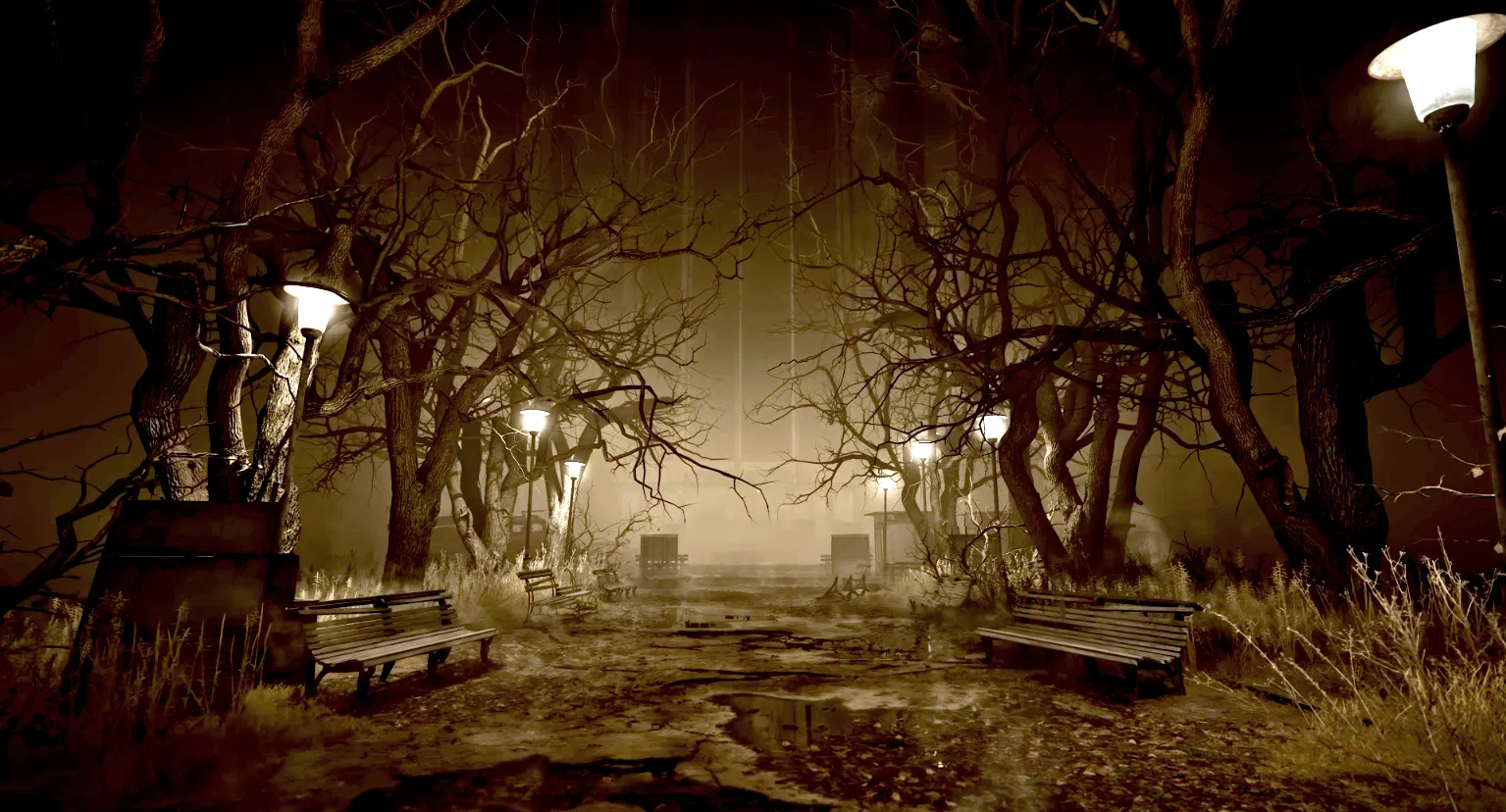 Exploration is probably my favorite part of the experience. I’ve always enjoyed open-world games that encourage you to wander off the main path and investigate whatever catches your attention, and S.T.A.L.K.E.R. 2 gives you plenty of opportunities to do exactly that. The map is filled with abandoned houses, settlements, caves, and industrial sites, many containing hidden supplies, equipment, or environmental details. Anomalies and radiation also make exploration more involved than simply walking inside and collecting loot. Sometimes you’ll need to navigate hazards to reach a stash or retrieve an artifact, and those small challenges make discovering new places more rewarding. Even when a location doesn’t contain anything particularly valuable, I still enjoy searching through it.
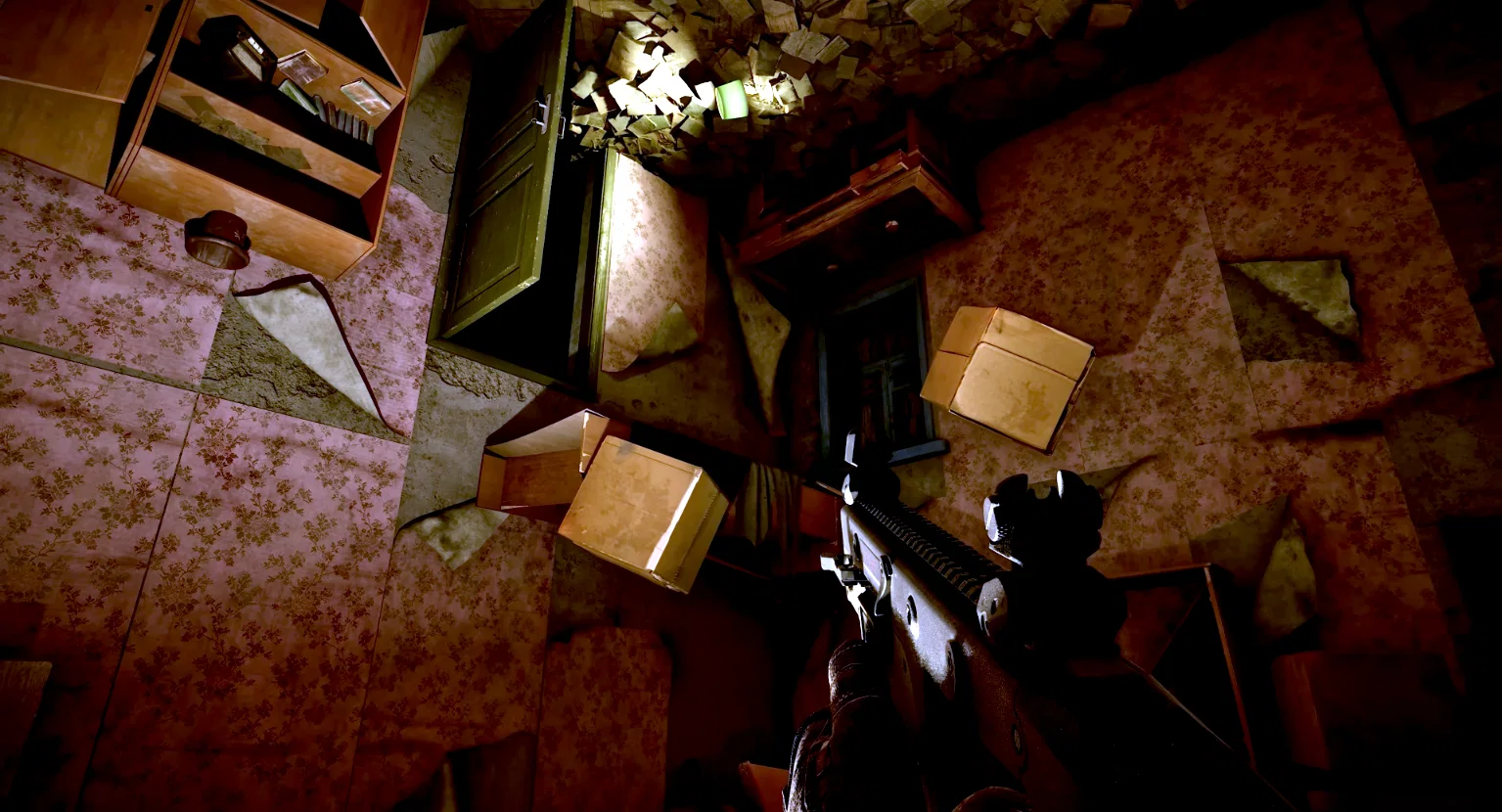 The Zone isn’t quite as alive as its atmosphere might suggest, though. I’ve never played the original S.T.A.L.K.E.R. trilogy, so I can’t personally compare their systems with the sequel, but longtime players frequently discuss A-Life, the simulation intended to make stalkers, mutants, and factions behave independently of the player. S.T.A.L.K.E.R. 2 has its own version, which has improved since launch. You’ll encounter stalkers traveling through the world, fighting mutants or gathering around campfires, but from my experience, the underlying simulation still doesn’t feel especially deep. NPCs often seem to exist around you rather than participate in a larger, constantly evolving world.
A beautiful world that could use more things to do
One of my biggest criticisms of S.T.A.L.K.E.R. 2 is that there simply aren’t enough side quests, and many of the ones that do exist are relatively short and straightforward. In games like The Witcher 3 or Baldur’s Gate 3, side quests can develop into substantial stories with memorable characters, difficult decisions, and unexpected consequences. S.T.A.L.K.E.R. 2 has some interesting optional missions, but they rarely reach that level of depth, and I often wished there were more of them.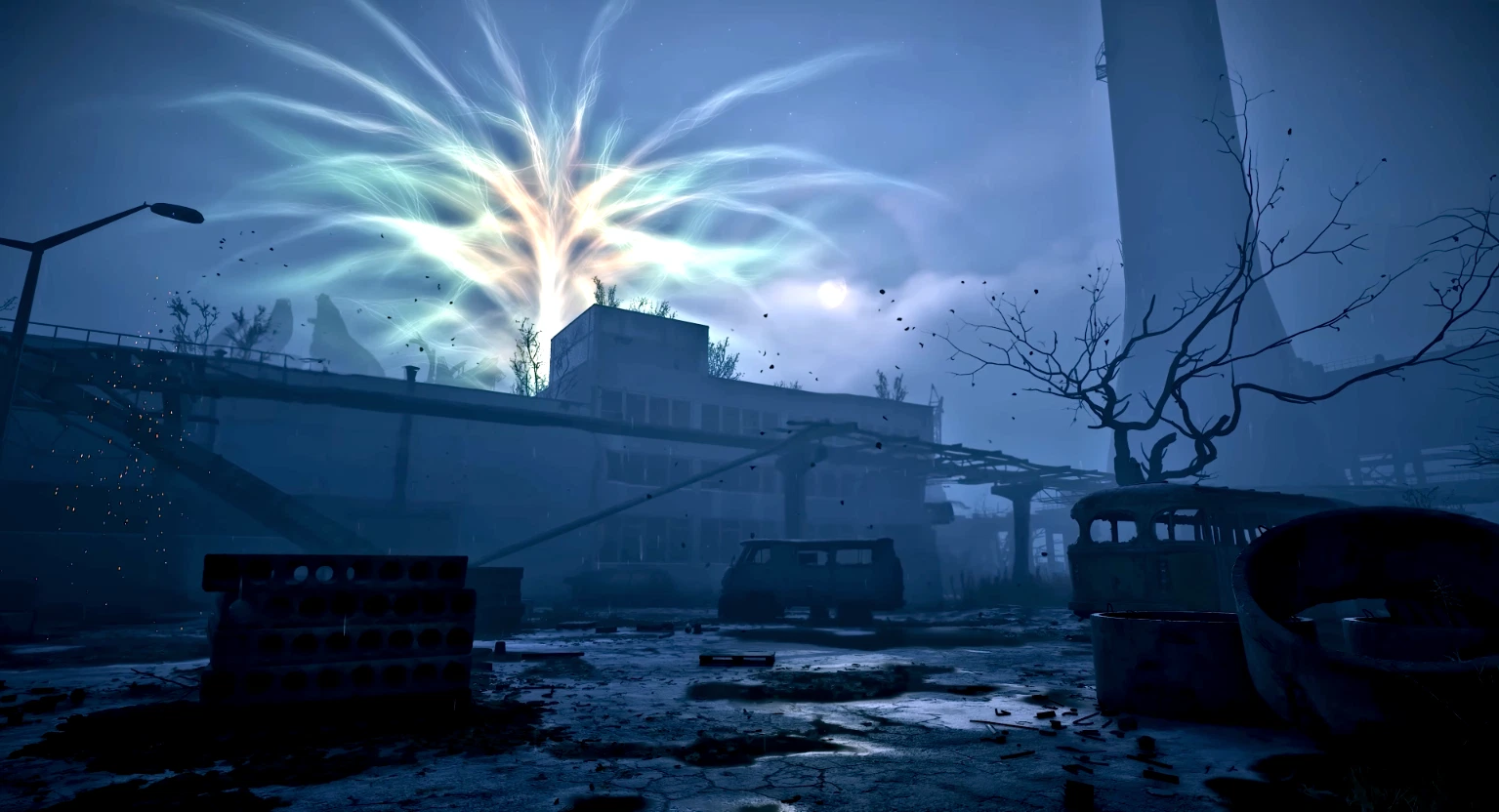 Much of the appeal instead comes from the locations themselves, the loot you might discover, and the encounters that happen along the way. In that sense, the game sometimes feels more like a sandbox than a traditional story-heavy open-world RPG. I don’t mind spending long stretches wandering through the Zone without a particular objective, but I can understand why someone who prefers quest-driven exploration might find it a little empty. More substantial side quests, especially ones involving the Zone’s factions and settlements, would make the world even more rewarding to explore.
Satisfying combat, with some limitations
Combat is another area where S.T.A.L.K.E.R. 2 gets quite a lot right. Firefights can be tense and satisfying, particularly when you’re dealing with several enemies using different weapons or trying to fight your way through an unfamiliar location. I like that the game gives you plenty of ways to approach these encounters through your equipment choices. There’s a good selection of firearms, with attachments and upgrades that let you customize them to suit your preferences, while unique weapon variants offer additional reasons to experiment rather than sticking with the same setup throughout the game.
Ammunition adds another layer to that preparation. Different weapons support multiple variants, including armor-piercing rounds for tougher, better-protected enemies and expanding ammunition designed to deal more damage to unarmored targets. It’s a relatively simple system, but one I appreciate because it makes the contents of your inventory matter. Choosing which weapons and ammunition to carry can make a noticeable difference when you run into trouble, and the variety of options helps keep combat enjoyable even after spending a long time with the game.
There are a few mechanics that don’t have quite as much impact as they initially seem to. Guns deteriorate with use and can eventually jam, but on the Stalker difficulty I played, I generally had enough money to keep my equipment repaired after the opening hours. Weapon condition therefore rarely became something I had to worry about. Progression can also make some early-game favorites difficult to justify using, since tougher enemies increasingly favor firearms with higher damage and penetration. Having to land several headshots with an older gun when a newer one can handle the same enemy much more efficiently isn’t particularly satisfying. Fortunately, there’s still a healthy variety of effective late-game weapons, so you’re not forced into using only one or two options.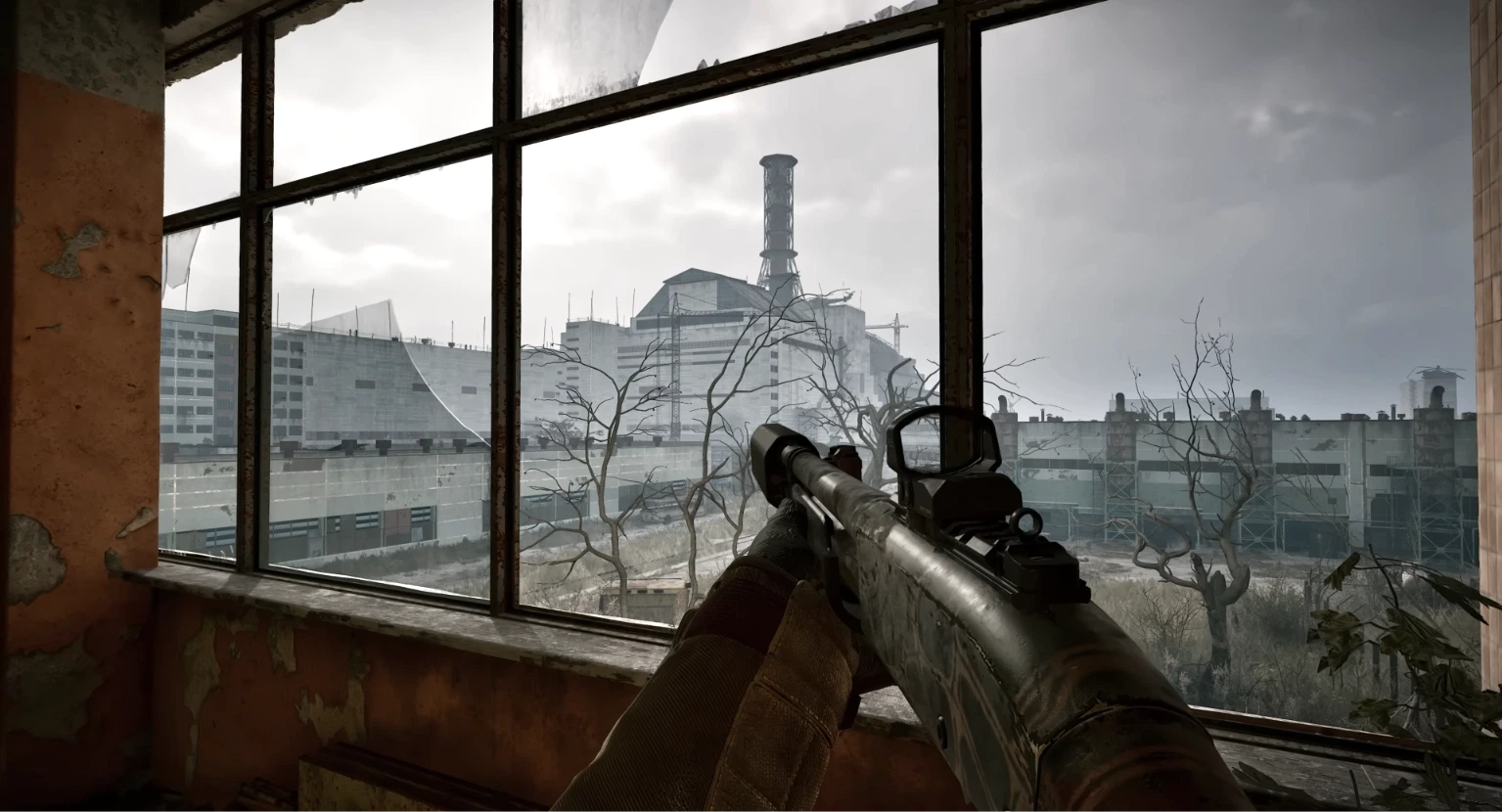 Mutant encounters have improved considerably since launch, too. Originally, some felt like ridiculous bullet sponges, and the lack of rewards for killing them made those fights more frustrating than worthwhile. Changes to their durability, along with the introduction of mutant loot, have made these encounters more rewarding. Mutants can still catch you off guard and turn an otherwise routine journey into a dangerous fight, but dealing with them no longer feels quite so much like wasting ammunition for nothing.
Survival mechanics are fairly light
Despite its dangerous setting, I wouldn’t describe S.T.A.L.K.E.R. 2 as a particularly demanding survival experience, at least not on the Stalker difficulty I played. There are systems for hunger, sleepiness, radiation, equipment durability, and managing supplies, but most are relatively easy to deal with once you’ve spent some time in the Zone.
Hunger is probably the clearest example. Every so often, you’ll need to eat something, but food is so plentiful that I rarely had to think about it. Bread, sausages, and other supplies can be found in buildings, stashes, and on enemies, and it’s easy to carry more than you’ll ever need. When hunger becomes an issue, you eat something and continue playing. Equipment maintenance works similarly: repairs cost money, but after the opening hours, I rarely struggled to afford them.
For me, these systems work more as background considerations than as constant survival challenges. I still need to pay attention to radiation, environmental hazards, and whatever hostile creatures or stalkers I encounter, but I don’t spend much time worrying about whether I’ll have enough food or money to keep going. I don’t necessarily mind that balance, since it lets me concentrate on exploration and combat. Players who want a harsher experience have higher difficulties, including Veteran and Master, along with additional difficulty customization introduced in Update 2.0.
An intriguing story, but not especially memorable characters
The main story kept me interested throughout, largely because of the mysteries surrounding the Zone and the different factions trying to shape its future. Without getting too far into spoilers, it follows Skif, who enters the Zone because of a personal problem and quickly finds himself caught up in something much larger. After an early betrayal, his attempt to resolve that original problem gradually draws him into the politics and conflicts surrounding the Zone.
What begins as a relatively straightforward objective becomes increasingly complicated as different groups pursue their own interests. Ward represents a more organized, militarized approach to controlling the Zone, while Spark pursues its own understanding of the mysteries surrounding it. Duty and Freedom have a longstanding ideological conflict over whether the Zone should be destroyed or allowed to exist, while Monolith remains one of its more unsettling forces. The factions aren’t simply interchangeable groups of enemies, and learning more about their motivations makes the decisions you face more interesting. Your choices can also significantly affect how events unfold, which gives the story a welcome sense of consequence.
One thing I particularly liked is how Skif’s original motivation gradually starts to feel secondary to everything happening around him. He enters the Zone with a specific goal, but as the story progresses, he becomes involved in events far beyond what initially brought him there. New information changes how you understand the situation, different factions offer competing perspectives, and there’s always another question you want answered. At a certain point, it almost feels as though the Zone itself has drawn him in, much like it draws in the player. That sense of gradually uncovering something much bigger than you expected is what kept me invested in the campaign.
The characters themselves aren’t quite as strong as the overarching story. There are plenty of interesting people to meet, but relatively few receive enough attention for me to become particularly attached to them. Characters appear, play their part, and often disappear for long stretches, so you don’t develop the same sense of connection that you might in an RPG with a more consistent supporting cast. I would have liked more time with some of them, especially given how much the story revolves around choosing whose motives to trust. Even so, I remained curious about where the plot was heading, and the faction politics gave me plenty to think about along the way.
Cost of Hope might be the best part of S.T.A.L.K.E.R. 2
Cost of Hope is the game’s first major story expansion, introducing two new regions, additional missions, characters, weapons, and a separate storyline centered on the conflict between Duty and Freedom. After spending so much time with the base game, I genuinely think it’s the best part of S.T.A.L.K.E.R. 2.
What makes the expansion stand out is how focused the experience feels. The base game gives you an enormous world to explore, but there can be long stretches between meaningful activities. Cost of Hope delivers a more concentrated adventure where the locations, characters, and missions feel closely connected. There’s still plenty of room to explore, but you’re more consistently engaging with interesting content rather than traveling between distant points of interest.
The two new regions offer plenty of places to investigate, with the Chornobyl Nuclear Power Plant being a particular highlight in terms of its scale and design. There are also new enemies and equipment to discover, giving you fresh challenges without fundamentally changing how S.T.A.L.K.E.R. 2 plays.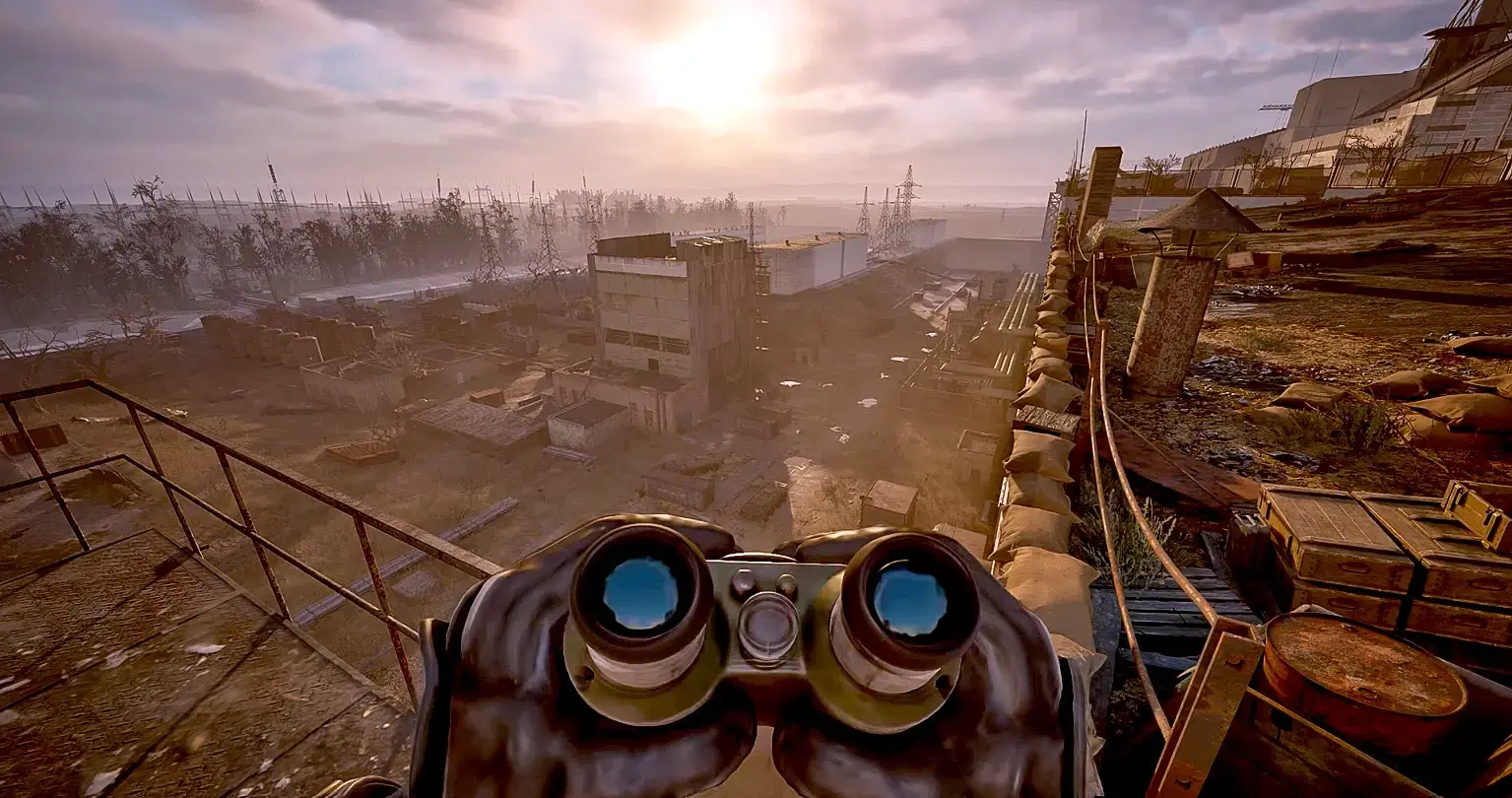 I found the story more engaging than much of the main campaign. Rather than directly continuing Skif’s original storyline, Cost of Hope focuses on the conflict between Duty and Freedom, two factions with very different ideas about the Zone. Duty views it as a dangerous threat that should be contained or destroyed, while Freedom believes it should remain accessible and sees value in understanding or coexisting with it. That ideological conflict provides a strong foundation for the expansion, and choosing which side to support leads to different outcomes and rewards.
The characters left a stronger impression on me as well. I found myself more invested in the people involved and the decisions I was making, although I didn’t find both sides of the central conflict equally convincing. Freedom’s reasoning sometimes came across as surprisingly naive, even extreme, which made Duty feel like the more sensible choice. Perhaps other players will interpret the factions differently, but I would have preferred a decision where I genuinely struggled to decide which side had the stronger argument.
Of course, that didn’t stop me from choosing Freedom, because I’m also a bit of a loot goblin. Freedom offers a unique suppressed shotgun, which is currently the only suppressed shotgun available in the game, and that was enough to influence my decision. Both factions offer excellent equipment, so choosing between their rewards was considerably more difficult than choosing between their arguments.
The new weapons and unique variants are welcome additions, although I was disappointed that the expansion doesn’t introduce any new armor. With so much equipment already available in the base game, it would have been nice to have some new protective gear to experiment with alongside the additional firearms.
Minor frustrations in Cost of Hope
One aspect of the expansion that could have been handled better is navigation around the Chornobyl Nuclear Power Plant. During the story, blocked pathways and locked gates guide you through the area in a way that makes sense, but they become annoying when you return to previously visited locations. Instead of taking straightforward routes, you’re often forced into lengthy detours and unnecessary backtracking. I wish some of those gates opened permanently after completing the relevant quests, preserving the intended progression while making later exploration less cumbersome.
Is S.T.A.L.K.E.R. 2 worth playing in 2026?
Absolutely. S.T.A.L.K.E.R. 2 is a game I’d wholeheartedly recommend to anyone who enjoys open-world RPGs. Its greatest strength is how naturally exploration, combat, and the mysteries of the Zone come together. I can head out with a particular destination in mind, get distracted by an abandoned building or an unfamiliar path, and end up spending far longer exploring than I’d planned. That’s the kind of freedom I love in an open-world game, and S.T.A.L.K.E.R. 2 delivers it exceptionally well.
I’ve now experienced the game in three very different states, from its troubled launch to the much more polished experience available today. Along the way, I’ve become familiar with its weaknesses: the limited side quests, the relatively light survival mechanics, and the aspects of its world simulation that still feel underdeveloped. I can recognize all of those shortcomings without feeling any less enthusiastic about returning to the Zone.
And I think that’s what says the most about S.T.A.L.K.E.R. 2. After three complete playthroughs, I know what frustrates me about it, I know where I’d like to see it improve, and I still find myself wanting to go back. Cost of Hope has given me even more reasons to do so, and I hope it’s a sign of what’s to come. The Zone may still be imperfect, but it’s one of the most memorable open worlds I’ve explored, and I’m not finished with it yet.
Exclusive Eldorado.gg interviews with industry insiders
Read exclusive Eldorado.gg interviews about gaming from industry insiders:
- Interview with Jay Klaitz, the voice actor of GTA 5’s Lester Crest.
- Interview with Alex Hutchinson, former Assassin’s Creed creative director.
- Interview with Joe Rubino, former Rockstar cinematographer.
- Interview with Matt Freedman, former Rockstar producer on GTA 5, RDR2, and Max Payne 3.
- Interview with Marcus Graham, former Twitch Director of Creator Development.
- Interview with Glen Schofield, the creator of Dead Space and co-founder of Sledgehammer Games.